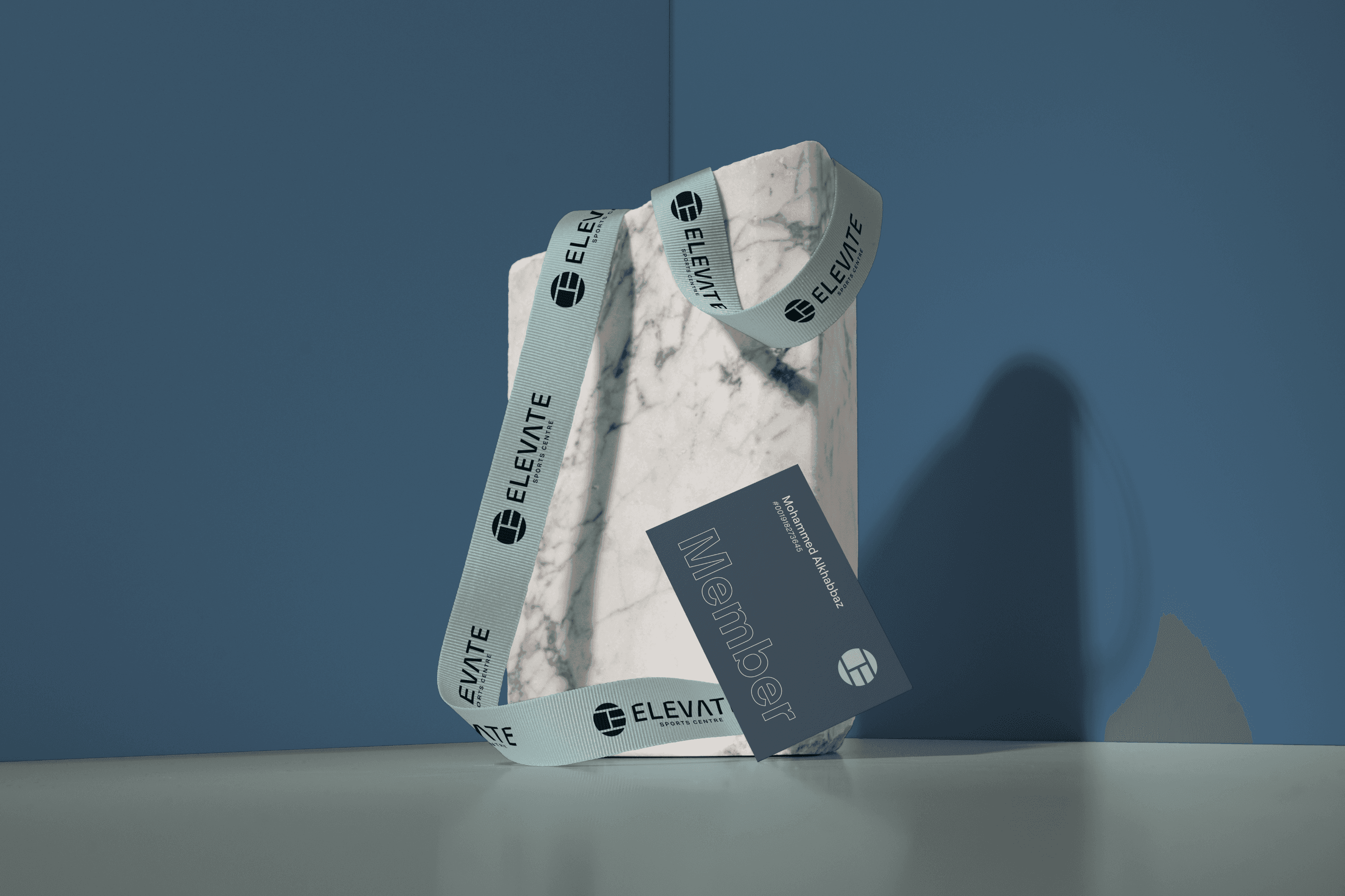

Most brand identities are designed for the brand as it is. The great ones are designed for the brand it's becoming.
The Problem With Designing for Right Now
When a brand is in its early stages, the instinct is to make it look good for where it is today. A startup building its first product. A founder launching their first offer. A business entering a new market for the first time.
But a brand that's designed purely for today creates a familiar problem six to twelve months in. The logo doesn't work at small sizes. The colour palette has no room for sub-brands or product lines. The typography doesn't adapt to different contexts. And every time the business tries to grow into something new, the brand feels like it's working against them rather than with them.
This is a scalability problem - and it's almost always a symptom of building the visual identity without thinking about where the brand is going.
What Scalability Actually Looks Like
A scalable brand identity has a few specific characteristics that are worth understanding before you build one - or audit the one you have.
A logo system, not just a logo. A primary mark, a secondary mark, an icon-only version, a reversed version. A brand that only has one configuration is a brand that will run into situations where nothing fits.
A colour palette with room to grow. Primary colours define the core brand. Secondary and tertiary palettes allow for product differentiation, campaign variations and sub-brand development without breaking visual cohesion.
Typography that works at every scale. Your headline font, your body font and your supporting typeface should function beautifully at 8pt on a business card and at 80pt on a billboard.
A clear set of brand guidelines. Not a PDF that lives on someone's desktop - an actual working document that any designer, developer or agency can open and use without asking you a single question.
"The brands that scale with confidence are the ones that invested in the system, not just the symbol."
How to Audit Your Current Brand
Pull up everything your brand has produced in the last six months. Social posts, pitch decks, proposals, website pages, product packaging. Look at them together. Ask: does this all look like it came from the same place? Or does it feel like five different people made five different decisions?
If the answer is the latter, you don't necessarily need a full rebrand. You might just need to formalise the system that already exists - build out the guidelines, extend the palette, add the missing logo configurations.
The investment is smaller than you think. The return is every piece of work that never has to go back for a revision because "it doesn't look quite right."

Let’s keep in touch.
Discover more about high-performance web design. Follow us on Twitter and Instagram.

